
In critical safety environments, data gaps are not just an inconvenience—they are a liability. For safety managers and industrial hygienists relying on standard mercury detection systems, sensor saturation represents a silent but significant failure point. At Mercury Instruments USA, we understand that precision is non-negotiable. This article explores why conventional gold-film sensors often provide false security and how advanced engineering eliminates this risk to ensure your facility remains compliant and safe.
Why Your Mercury Detection System Is Failing: The Hidden Cost of Sensor Saturation
The Mechanics of Sensor Saturation
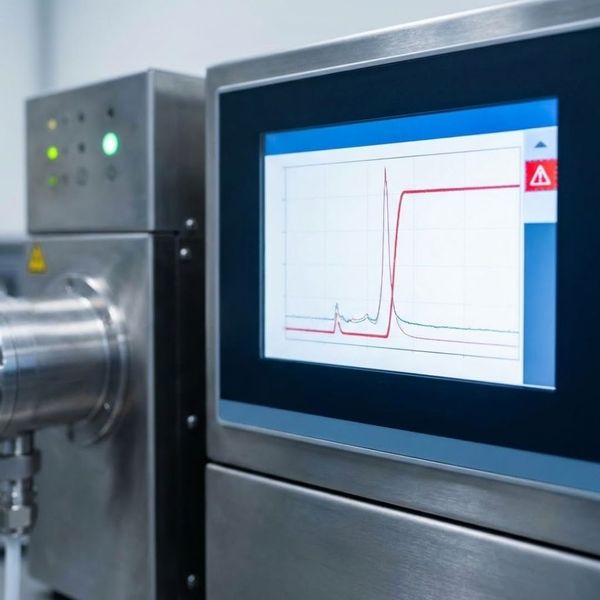
Many handheld detectors rely on older gold-film technology. These sensors function by accumulating mercury on a gold surface. However, once that surface is saturated, the sensor physically cannot register additional mercury. This leads to the dangerous "false zero" phenomenon, where a device reads "safe" levels simply because it is blinded by saturation, leaving workers unknowingly exposed to hazardous vapors.
The High Cost of Regeneration Downtime
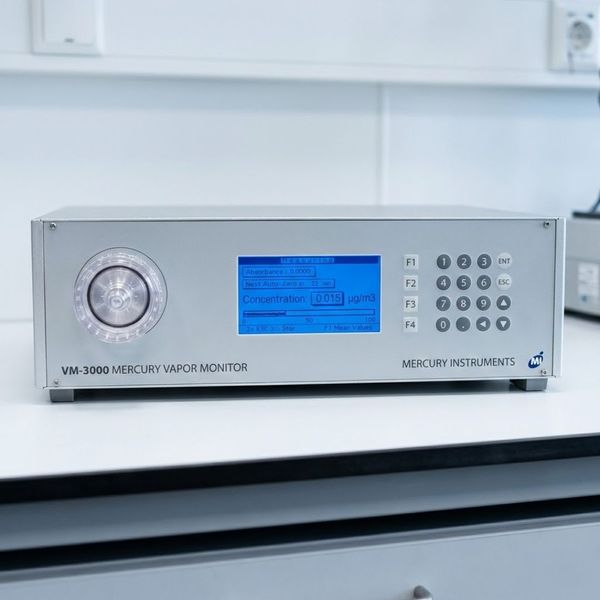
When a traditional sensor becomes saturated, it requires a "regeneration" cycle to burn off the accumulated mercury. This process forces significant downtime, halting operations or requiring backup equipment. A superior Mercury Vapor Analyzer, like our VM3000, utilizes Atomic Absorption Spectroscopy (AAS) to avoid this trap entirely, delivering continuous, real-time data without the need for regeneration breaks.

Data Integrity and Compliance
Regulatory bodies like the EPA and OSHA demand traceable, uninterrupted data. If your mercury detection methods are susceptible to interference or saturation, your compliance reports may be fundamentally flawed. Relying on saturation-prone equipment compromises your audit trail, potentially leading to costly fines and legal exposure during environmental assessments.
Engineered for Continuous Performance
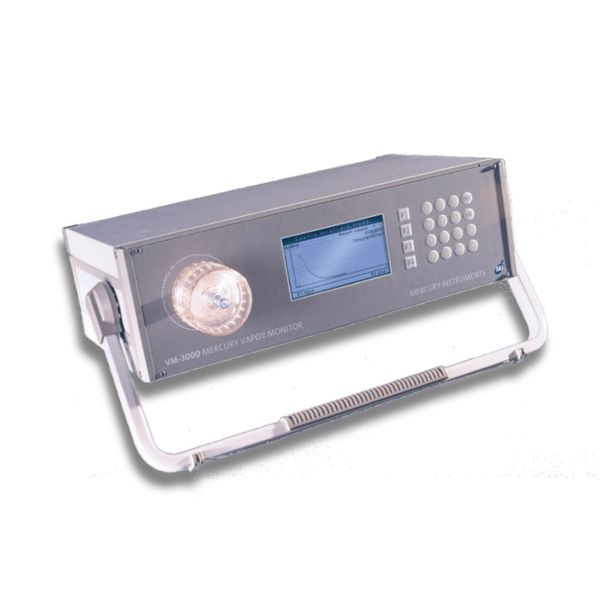
The solution lies in choosing the right technology for the application. Mercury Instruments’ devices are German-engineered to resist interference from common industrial byproducts like hydrocarbons and moisture. By utilizing optical detection rather than physical accumulation, our systems ensure that high concentrations of mercury never degrade the sensor's accuracy or lifespan.
Don't let equipment limitations dictate your safety standards. As the premier North American distributor for these advanced systems, Mercury Instruments USA provides not only the hardware but the NIST-traceable calibration and support you need across the United States and Canada. Contact us today to upgrade your fleet and eliminate the hidden risks of sensor saturation.