
At Mercury Instruments USA, we know that entering the world of elemental analysis often feels like learning a brand-new language. From regulatory compliance to technical specifications, the industry is filled with acronyms and complex jargon that can be overwhelming for beginners. We are dedicated to providing clarity, ensuring you have the foundational knowledge to select the right mercury detection systems for your specific safety and environmental needs.
The Basics of Mercury Instruments: Key Terminology Explained
What is a Mercury Vapor Analyzer?
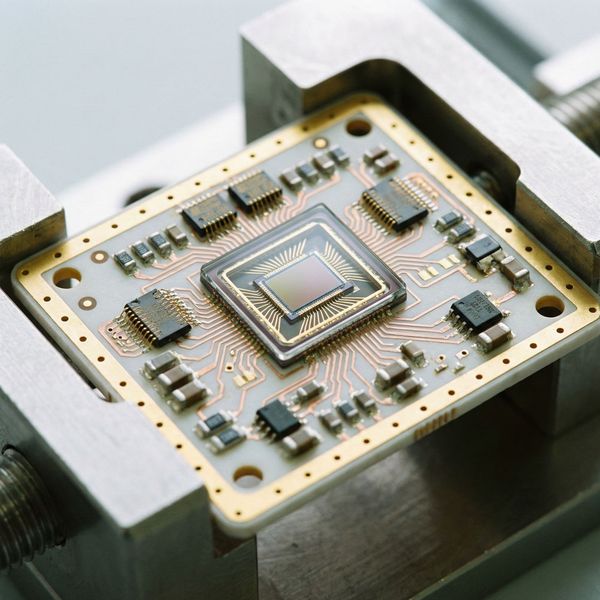
Understanding the primary tool of the trade is the first step in any monitoring program. Essentially, a Mercury Vapor Analyzer is a specialized instrument designed to detect and quantify mercury gas in the air. At Mercury Instruments USA, we engineer these devices to provide real-time data, allowing for immediate safety decisions in industrial and laboratory environments.
Defining CVAAS and CVAFS
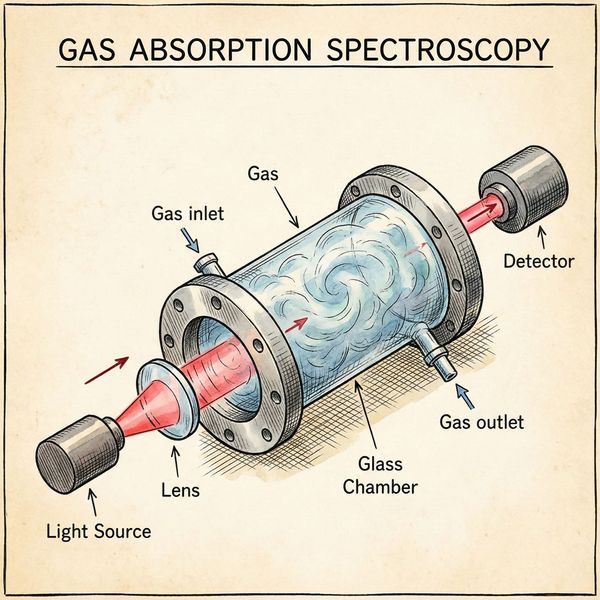
These two acronyms represent the most common mercury detection methods used today: Cold Vapor Atomic Absorption and Fluorescence Spectroscopy. While both techniques involve vaporizing mercury, CVAAS measures how much light is absorbed, whereas CVAFS measures light emitted. We utilize these sophisticated methods to ensure our customers achieve the most sensitive and accurate readings possible.
The Role of Calibration and Detection Limits
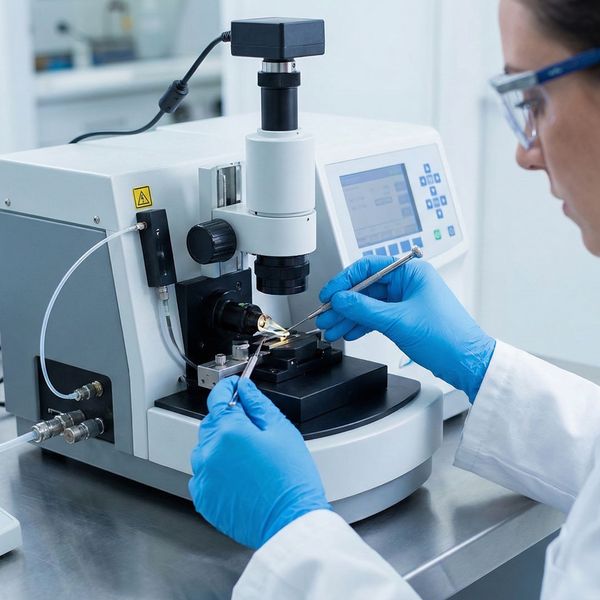
In the world of measurement, "Detection Limit" refers to the lowest concentration of mercury an instrument can reliably identify. Maintaining this accuracy requires regular calibration to ensure the device remains within its specified performance range. We believe that understanding these limits is crucial for maintaining workplace safety and meeting the strict standards required by regulators.
Continuous vs. Portable Monitoring
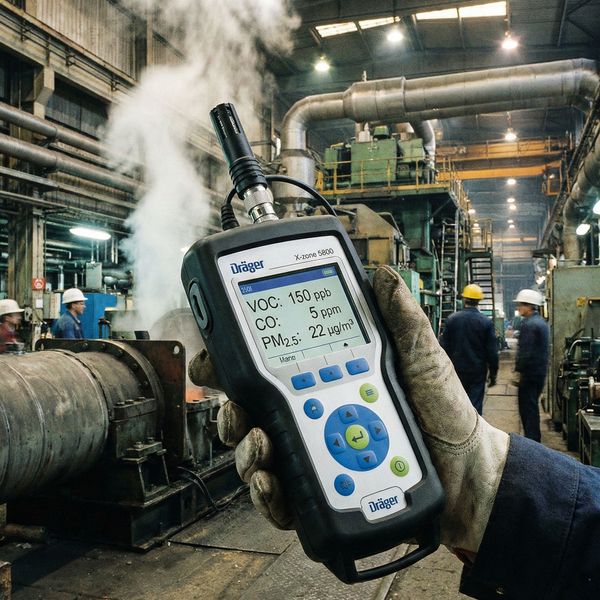
Choosing between fixed and mobile solutions depends on whether you need constant oversight or on-the-spot testing. Continuous systems offer 24/7 data for facility-wide safety, while portable trackers allow for flexible inspections in varied locations. At Mercury Instruments USA, we provide both options to help you tailor your monitoring strategy to your specific operational goals.
Navigating the technical landscape of mercury monitoring is much easier when you have a firm grasp of the basic terminology. By mastering these concepts, you can better protect your team and ensure your facility remains compliant with environmental laws. Learn how Mercury Instruments USA can help you implement these advanced solutions today. We invite you to contact our expert team for a personalized consultation.