
In the natural gas industry, equipment integrity is paramount. For operators across North America, the presence of trace mercury in process streams poses a severe threat to infrastructure, specifically through Liquid Metal Embrittlement (LME). At Mercury Instruments USA, we provide the specialized mercury detection systems necessary to identify these risks before they lead to catastrophic failure. This article examines the critical importance of monitoring mercury in natural gas and the advanced technologies required to ensure the safety of your cryogenic equipment.
Mercury in Natural Gas: Preventing Corrosion and Catastrophic Failure
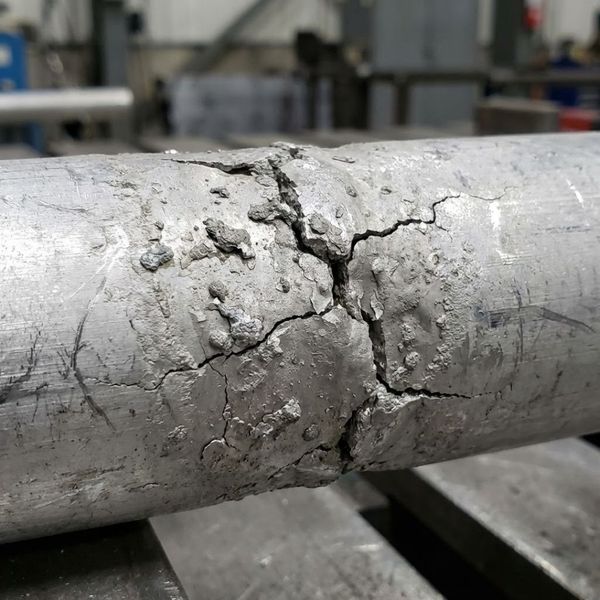
The Invisible Threat of LME
Mercury attacks aluminum—the primary material used in cryogenic heat exchangers and cold boxes—causing rapid structural degradation known as Liquid Metal Embrittlement. Even microscopic concentrations can accumulate over time, leading to sudden, catastrophic ruptures. Standard safety checks often miss these trace levels, leaving multi-million dollar assets vulnerable to corrosion that is virtually impossible to repair once it begins.
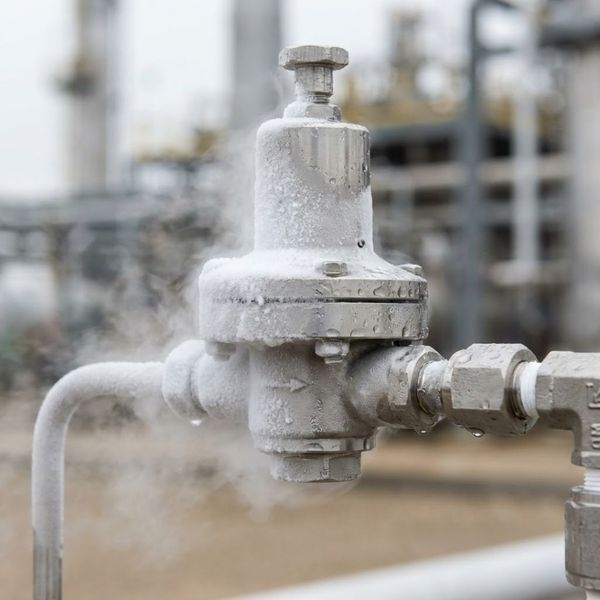
Overcoming Sampling Challenges
Accurate detection in high-pressure gas streams requires more than a standard sensor. A major failure point in generic mercury detection methods is the "Joule-Thomson effect," where pressure reduction causes cooling and condensation. If mercury drops out with the condensate, the analyzer reads false zeros while the pipeline continues to corrode.
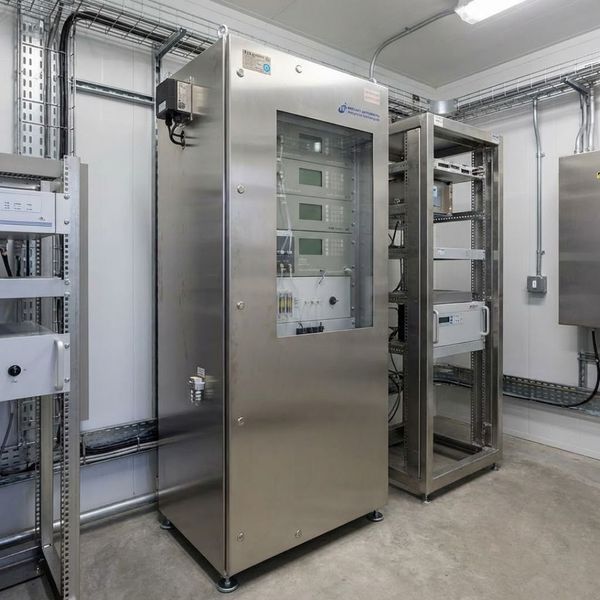
Engineered for High Pressure
To solve this, we deploy the MMS-NG (Mercury Monitoring System for Natural Gas). Unlike standard air monitors, this specialized mercury vapor analyzer features a heated pressure reduction system that prevents condensation, ensuring that every nanogram of mercury remains in the gas phase for accurate measurement. It is built to withstand pressures up to 240 bar, providing continuous, reliable data directly from the pipeline.
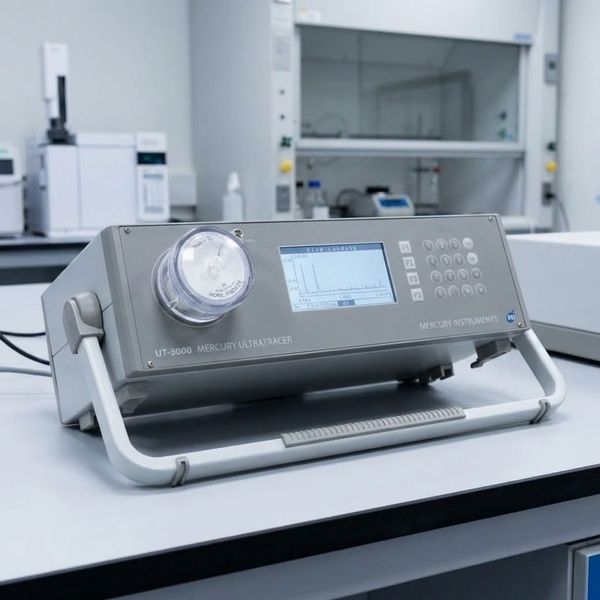
Ultra-Trace Verification
For spot checks and verifying the efficiency of Mercury Removal Units (MRUs), operators require ultra-trace sensitivity. Our UT3000 detector utilizes GoldTrap technology to measure concentrations as low as sub-nanograms per cubic meter. This allows for precise mobile screening of wells and pipelines, ensuring that even the smallest leaks are identified and addressed immediately.
Protecting your infrastructure requires precision, not guesswork. As the leading distributor for North America, Mercury Instruments USA delivers the robust, German-engineered solutions required for hazardous natural gas applications. Contact us today to configure a sampling system that safeguards your facility against corrosion and compliance risks.