
In industrial environments where mercury exposure is a constant concern, selecting the right monitoring strategy is the foundation of any robust safety protocol. Whether you are managing a chlor-alkali plant or conducting environmental remediation, the choice between active and passive tracking methods dictates the speed and accuracy of your data. At Mercury Instrument LLC, we specialize in providing high-performance mercury detection systems designed to meet these diverse operational challenges. Understanding the technical nuances of how these methods capture mercury vapor is essential for maintaining regulatory compliance and, more importantly, protecting the health of your workforce from invisible toxic hazards.
Comparing Active Vs. Passive Mercury Tracking Methods
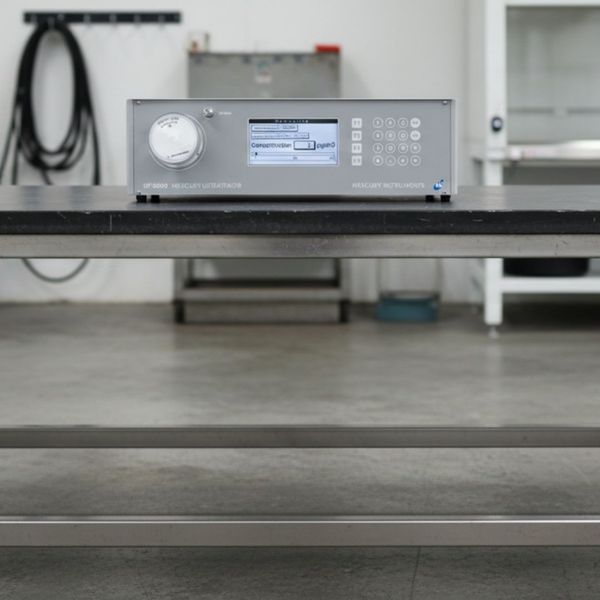
The Dynamics of Active Sampling
Active mercury detection methods rely on a mechanical pump to draw air through a collection medium or an analytical sensor at a calibrated flow rate. This approach allows us to quantify precise concentrations over specific time intervals with high sensitivity. By using a Mercury Vapor Analyzer in an active configuration, we can achieve rapid, real-time results that are critical for identifying immediate leaks or spikes.
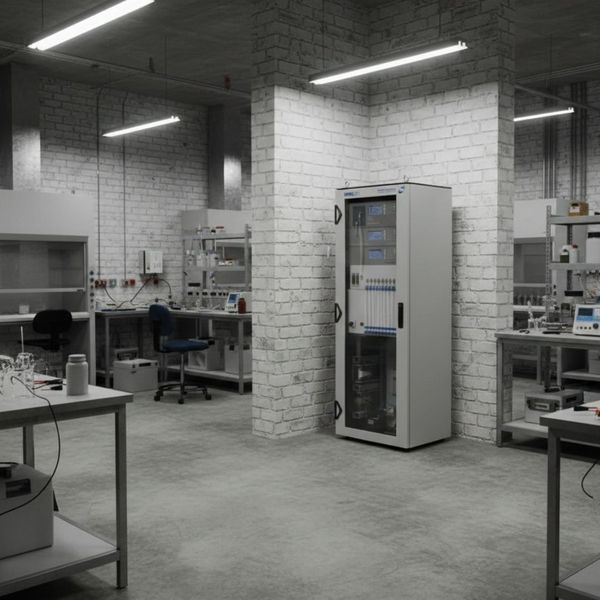
The Simplicity of Passive Monitoring
Passive tracking, often referred to as diffusive sampling, utilizes the natural movement of gas molecules onto a sorbent material without the need for external power or pumps. We find that these lightweight dosimeters are excellent for long-term exposure assessments, such as calculating eight-hour time-weighted averages. While they lack the instantaneous feedback of active systems, their ease of use makes them ideal for large-scale personal monitoring.

Comparing Sensitivity and Detection Limits
When your application demands the lowest possible detection limits, active mercury detection systems typically offer superior performance. Because active devices can process larger volumes of air in a shorter timeframe, they provide the granular data necessary for ultra-trace analysis. We recommend active methods for critical safety zones where even minor fluctuations in mercury vapor levels could signal a failure in containment or a breach in safety.

Operational Versatility in the Field
Choosing between these methods often comes down to the specific environment and the duration of the study. Active instruments like our portable mercury trackers offer unmatched versatility for site surveys and emergency response, providing immediate actionable data. Conversely, passive samplers excel in stable environments where cost-effective, unobtrusive monitoring is required over extended shifts, ensuring that we capture a comprehensive picture of cumulative employee exposure.
Navigating the complexities of mercury vapor monitoring requires a balance of speed, precision, and practicality. Whether your facility benefits most from the rapid insights of active mercury detection systems or the steady, long-term data provided by passive methods, having the right technology is non-negotiable. At Mercury Instrument LLC, we are dedicated to equipping you with world-class analyzers and trackers tailored to your specific industrial needs. We invite you to explore our full range of German-engineered detection tools to find the perfect fit for your safety program.